Purchasing a pre-owned vehicle is often one of the smartest financial decisions a driver can make, but it is also a process that requires patience, research, and attention to detail. Many buyers focus on finding the lowest price and overlook factors that can significantly affect long-term ownership costs. Hidden accident damage, undisclosed mechanical issues, title problems, and inaccurate mileage readings are just a few examples of risks that can turn a seemingly good deal into a costly mistake. Understanding how to buy a used car properly allows buyers to avoid these common pitfalls and make informed decisions based on facts rather than emotions.
The used car market offers an enormous selection of vehicles in every price range. Whether you are looking for a reliable commuter sedan, a family SUV, or a vehicle for weekend road trips, there are usually dozens of options available. However, not every listing represents good value. Successful buyers spend time researching vehicle history, comparing prices, evaluating maintenance records, and carefully inspecting the condition of a vehicle before committing to a purchase. Taking a structured approach significantly increases the likelihood of finding a dependable vehicle that will provide years of reliable service.
Why Buying a Used Car Requires Careful Research
Many consumers assume that buying a used vehicle is simply a matter of finding a car that looks good and fits their budget. In reality, every used vehicle has a unique history that can influence its reliability, safety, and future value. Previous accidents, neglected maintenance, flood damage, title issues, or excessive wear may not be immediately visible during a casual inspection. For this reason, thorough research should always be completed before contacting a seller or arranging a test drive.
The research phase helps buyers identify realistic market prices, understand common problems associated with specific models, and determine which vehicles have the strongest reputations for long-term reliability. Spending several days researching can potentially save thousands of dollars in future repair expenses. It also allows buyers to negotiate from a position of knowledge rather than relying solely on information provided by the seller.
Understanding the Value of a Used Car
Before viewing any vehicle, buyers should understand the value of a used car they are considering. Pricing in the used vehicle market is influenced by many different factors, and two vehicles of the same model year can vary significantly in price depending on their condition and ownership history. Establishing a realistic market value helps buyers recognize fair deals while avoiding overpriced listings.
When evaluating the value of a vehicle, several important factors should be considered:
- Vehicle age — Older vehicles generally depreciate more, although certain models retain value exceptionally well.
- Mileage — Lower mileage often increases value, but maintenance history remains equally important.
- Service records — Complete maintenance documentation typically indicates responsible ownership.
- Accident history — Previous collisions may reduce market value depending on the severity of the damage.
- Number of owners — Vehicles with fewer owners often provide a clearer ownership history.
- Market demand — Popular models frequently maintain stronger resale values than less desirable alternatives.
Understanding these variables allows buyers to compare listings more accurately and determine whether a seller's asking price reflects the true condition of the vehicle. A slightly more expensive vehicle with documented maintenance may ultimately represent a better investment than a cheaper option with an uncertain history.
How to Check a Used Car Before Buying
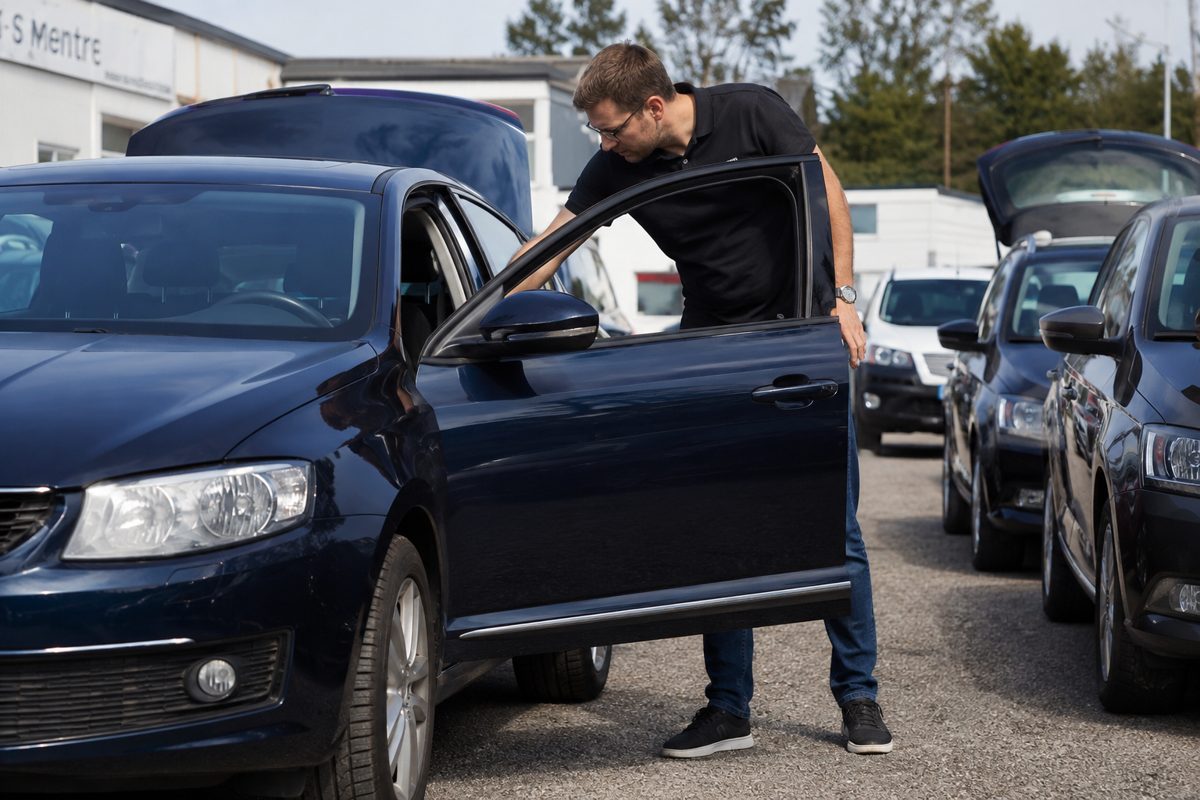
Learning how to check a used car before buying is one of the most valuable skills any used car shopper can develop. While professional inspections are highly recommended, buyers should still perform their own preliminary evaluation before spending money on an inspection. A careful review can help identify obvious warning signs and prevent unnecessary expenses.
A proper inspection should include the following areas:
- Exterior condition — Check for dents, rust, mismatched paint, and signs of previous repairs.
- Interior wear — Excessive wear on seats, pedals, or controls may indicate heavier usage than expected.
- Tires and wheels — Uneven tire wear can suggest suspension or alignment issues.
- Lighting systems — Verify that headlights, brake lights, and turn signals operate correctly.
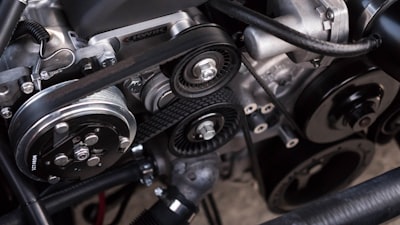
- Engine compartment — Look for leaks, corrosion, damaged hoses, or unusual modifications.
- Electronic systems — Test all buttons, displays, windows, and climate controls.
While none of these items alone necessarily indicate a serious problem, several issues appearing together may suggest poor maintenance or hidden damage. Buyers should document any concerns and discuss them with the seller before moving forward with negotiations.
After the visual inspection, a comprehensive test drive should always be completed. Driving the vehicle under different conditions allows buyers to evaluate acceleration, braking performance, steering response, transmission behavior, and overall ride quality. Unusual noises, vibrations, warning lights, or handling issues should never be ignored. Those who want a more detailed checklist can also review our comprehensive guide to protecting your VIN when selling a used car for additional inspection recommendations.
How to Buy a Used Car From a Private Seller
Many shoppers choose private-party purchases because prices are often lower than dealership listings. However, understanding how to buy a used car from a private seller is essential because these transactions usually provide fewer legal protections. Buyers must conduct more of the verification process themselves and carefully review all documentation before exchanging money.
Before purchasing from a private seller, the following questions should always be asked:
- Why are you selling the vehicle? — The answer may reveal useful information about ownership history.
- How long have you owned it? — Long-term ownership often suggests greater familiarity with the vehicle.
- Has the vehicle been in any accidents? — Transparency about previous damage is important.
- Do you have maintenance records? — Service documentation provides valuable insight into vehicle care.
- Are there any known mechanical issues? — Honest sellers often disclose existing problems.
These questions help buyers establish whether a seller appears knowledgeable and transparent. Evasive or inconsistent answers should be treated as warning signs that warrant additional investigation before proceeding further.
Documentation is equally important when buying privately. The vehicle title, registration documents, service records, and any available vehicle history reports should be reviewed carefully. Buyers should verify that the seller's information matches the title and ensure that there are no outstanding liens attached to the vehicle. Taking these precautions can prevent legal complications after the sale has been completed.
How to Buy a Used Car From a Dealer
Many consumers prefer dealership purchases because they offer additional protections, financing options, and a larger inventory. Learning how to buy a used car from a dealer allows buyers to take advantage of these benefits while still avoiding common sales tactics that can increase the overall cost of ownership. While dealership vehicles often cost more than private-party listings, the additional support can provide valuable peace of mind.
When evaluating how to buy a used car from a dealer, buyers should pay attention to several advantages:
- Vehicle selection — Dealerships typically offer a wider range of inventory.
- Financing options — Many buyers can secure financing directly through the dealership.
- Certified vehicles — Some dealerships sell certified pre-owned vehicles with inspections included.
- Warranty coverage — Limited warranties may help reduce repair expenses after purchase.
- Consumer protections — Certain legal protections may apply depending on local regulations.
Although these advantages can justify a higher purchase price, buyers should still negotiate carefully and compare offers from multiple dealerships. Pricing, financing terms, and warranty coverage can vary significantly even for similar vehicles.
It is also important to review every fee included in the final purchase agreement. Administrative fees, extended warranties, paint protection packages, and other optional products can increase the final cost substantially. Buyers should ask for a detailed breakdown of charges and decline services they do not need.
How Many Miles Is Good for a Used Car?
One of the most frequently asked questions among used car buyers is how many miles is good for a used car. While mileage remains an important indicator of vehicle usage, it should never be considered in isolation. Maintenance quality often plays an equally important role in determining long-term reliability.
When evaluating mileage, buyers should consider the following factors:
- Maintenance consistency — Regular servicing often matters more than mileage alone.
- Driving conditions — Highway miles generally create less wear than city driving.
- Vehicle type — Some vehicles are designed for significantly higher mileage.
- Service documentation — Detailed records provide evidence of proper care.
- Previous ownership habits — Responsible owners typically maintain vehicles more carefully.
A vehicle with 120,000 well-documented miles may represent a safer purchase than a poorly maintained vehicle with half that mileage. Buyers should focus on the overall condition of the vehicle rather than relying exclusively on the odometer reading.
Modern vehicles are often capable of exceeding 200,000 miles when properly maintained. As manufacturing quality has improved, mileage has become less important than ownership history, maintenance practices, and mechanical condition. This broader perspective helps buyers evaluate vehicles more accurately and avoid rejecting otherwise excellent options.
Best Time to Buy a Used Car
Timing can influence both pricing and negotiating opportunities, making the best time to buy a used car an important consideration for budget-conscious shoppers. While excellent deals can be found throughout the year, certain periods may offer more favorable conditions for buyers.
The following situations often create stronger buying opportunities:
- End of the month — Sales staff may be motivated to meet monthly targets.
- End of the quarter — Additional incentives sometimes become available.
- Year-end periods — Dealers often reduce inventory before the new year.
- New model arrivals — Older inventory may be discounted to make room for incoming vehicles.
- Seasonal demand changes — Certain vehicle types become less expensive during off-seasons.
While timing alone will not guarantee a great deal, combining favorable market conditions with thorough research can improve negotiating power. Buyers who remain patient often discover opportunities that are not available to those who rush into a purchase.
The Best Way to Buy a Used Car
The best way to buy a used car involves balancing research, inspection, patience, and realistic expectations. Many buyers become emotionally attached to a vehicle too early in the process, which can weaken their negotiating position and cause them to overlook potential concerns. Remaining objective allows buyers to focus on facts rather than appearances.
A successful purchasing strategy generally includes researching reliable models, comparing market prices, reviewing vehicle history information, conducting inspections, and arranging a professional evaluation before finalizing the transaction. Buyers should never feel pressured to complete a purchase immediately, regardless of how attractive a deal may seem.
Long-term ownership should also be considered before signing any paperwork. Establishing strong car maintenance habits after purchase helps preserve reliability, improve safety, and protect future resale value. A well-maintained vehicle can continue delivering dependable performance for many years beyond the initial purchase.
Making a Smart Used Car Purchase
Understanding how to buy a used car requires more than simply finding a vehicle within your budget. The used car market rewards informed buyers who take time to verify information, inspect vehicles thoroughly, and make decisions based on evidence rather than emotion. By following a structured process and using the best way to buy a used car, you can significantly reduce risk, avoid hidden problems, and purchase a vehicle that provides reliable transportation and lasting value for years to come.